

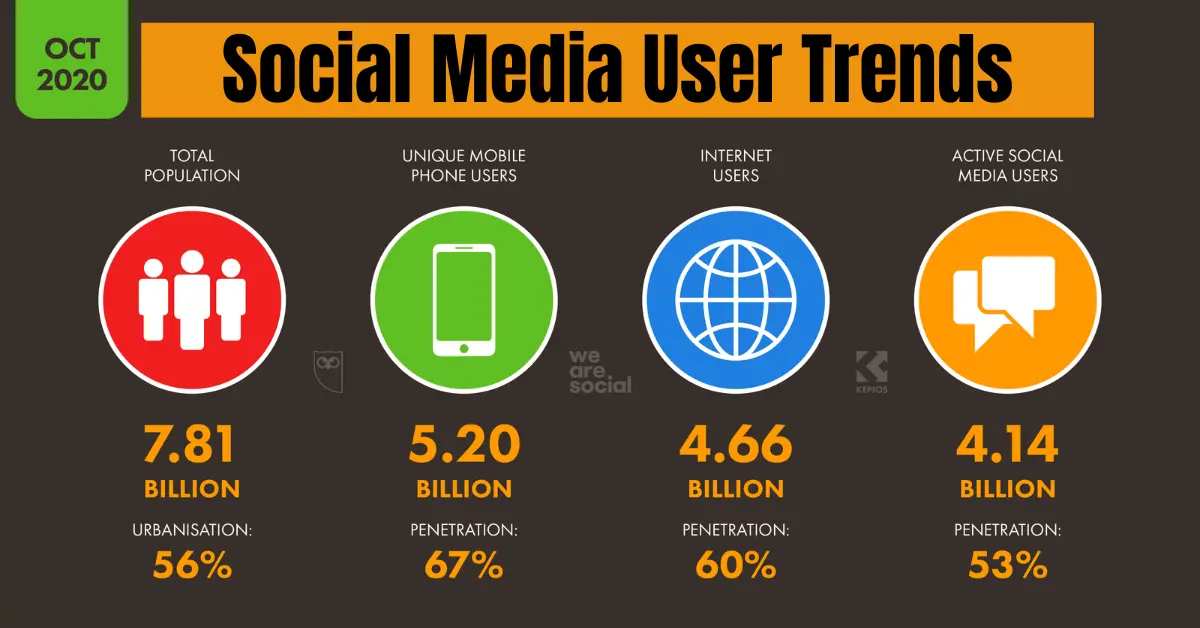
Social media has evolved at a rapid pace over the past decade, transforming from simple networking platforms into highly advanced ecosystems powered by algorithms, artificial intelligence, and data driven personalization. What once revolved around sharing personal updates and connecting with friends has now become a global hub for entertainment, marketing, education, and commerce.
Today, user behavior on these platforms is heavily influenced by short attention spans, the rise of AI generated content, and constantly changing platform algorithms. People now prefer quick, engaging, and visually appealing content that delivers value within seconds. At the same time, artificial intelligence is shaping what users see, how they interact, and even how content is created, making the digital environment more dynamic than ever before.
In this fast changing landscape, understanding social media user trends has become essential for brands, creators, and marketers who want to stay relevant. These trends reveal how audiences consume content, what captures their attention, and how engagement patterns are shifting across different platforms. Without this understanding, it becomes increasingly difficult to build visibility, grow an audience, or create meaningful connections in today’s competitive digital space.
What are social media user trends
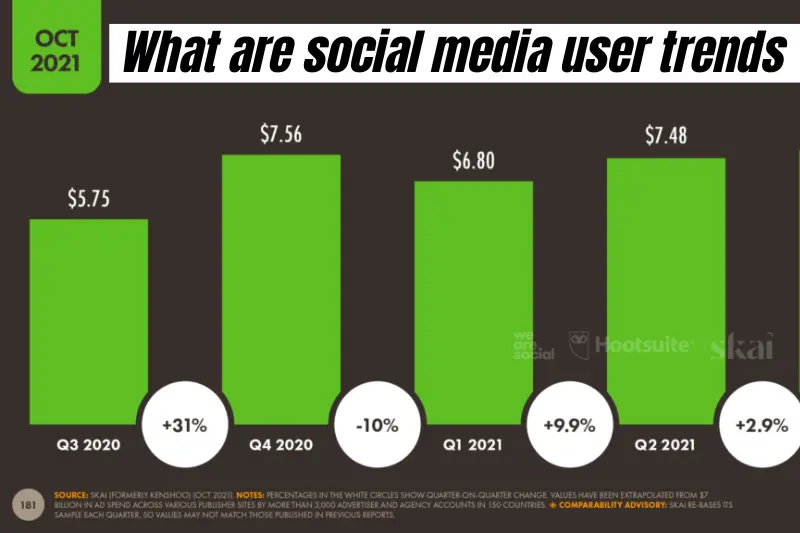
Social media user trends refer to the evolving patterns of how people behave, interact, and consume content across different platforms such as Instagram, TikTok, YouTube, Facebook, and X. These trends highlight what users prefer to watch, how long they engage with content, and the type of posts they are most likely to share, like, or comment on.
In simple terms, social media user trends are a reflection of changing audience behavior in the digital space. They show how preferences shift over time, whether it is moving from long form content to short videos, or from public posting to private community discussions.
These trends are shaped by several factors including social media algorithms, cultural shifts, technology updates, and user expectations. For example, platforms now prioritize content that keeps users engaged for longer periods, which directly influences what becomes popular and what gets limited visibility.
Understanding social media user trends is important because they help explain why certain content formats go viral while others fail to gain attention. For marketers, creators, and businesses, these insights are essential for designing content strategies that match audience expectations and improve engagement across platforms.
Why social media user trends matter in 2026
Social media user trends play a critical role in shaping how content performs across all major platforms in 2026. As algorithms become more advanced and user preferences continue to evolve, brands and creators can no longer rely on outdated strategies. Success now depends on how well they understand and adapt to shifting audience behavior in real time.
One of the biggest reasons these trends matter is their direct impact on visibility and reach. Social media platforms prioritize content that aligns with current user engagement patterns, meaning posts that match trending formats are far more likely to appear in feeds, recommendations, and explore pages. This makes awareness of social media user trends essential for staying visible in an increasingly competitive digital space.
Another important factor is audience expectation. Users today demand fast, engaging, and authentic content. If brands fail to meet these expectations, they risk losing attention within seconds. By studying user trends, marketers can better understand what type of content resonates, whether it is short form videos, relatable storytelling, or interactive posts.
Finally, these trends are vital for long term strategy building. Businesses that consistently track and adapt to changing user behavior are better positioned to build stronger communities, improve engagement rates, and maintain relevance despite frequent algorithm updates. In a digital environment driven by constant change, understanding social media user trends is no longer optional, it is a necessity for growth.
Major social media user trends in 2026
Social media continues to evolve quickly, and user behavior is shifting in clear and measurable ways. These changes are shaping how content is created, distributed, and consumed across all major platforms.
Short form video dominance
One of the strongest social media user trends in 2026 is the continued rise of short form video content. Platforms like TikTok, Instagram Reels, and YouTube Shorts are leading this shift because users prefer quick, engaging videos that deliver information or entertainment within seconds. Attention spans are shorter than ever, making bite sized content the most effective format for capturing interest.
Growth of AI influenced content consumption
Artificial intelligence is now deeply integrated into social media experiences. From personalized feeds to AI generated posts and recommendations, users are constantly interacting with machine curated content. This has changed how people discover information and has increased the demand for highly relevant and personalized content experiences.
Shift toward private and niche communities
Another important trend is the move away from fully public engagement toward smaller, more private spaces. Platforms like WhatsApp groups, Discord servers, and Telegram channels are becoming popular because users prefer controlled environments where they can share and interact more comfortably.
Decline of organic reach
Organic reach continues to decrease across most platforms due to algorithm changes that prioritize paid promotions and high engagement content. This has made it harder for creators and brands to grow without a strong content strategy focused on retention, watch time, and interaction.
Demand for authentic and relatable content
Users are increasingly drawn to real, unfiltered content rather than highly polished or overly promotional posts. Authentic storytelling, behind the scenes content, and personal experiences are performing better because they build trust and emotional connection.
These major social media user trends clearly show that success on digital platforms now depends on adaptability, creativity, and a deep understanding of evolving audience behavior.
How algorithms are shaping user behavior
Algorithms are one of the most powerful forces behind social media user trends today. Every major platform uses machine learning systems to decide what content users see, how long they see it, and what they are likely to interact with next. This means user behavior is no longer completely organic but is increasingly shaped by automated recommendation systems.
Modern algorithms prioritize engagement signals such as watch time, likes, comments, shares, and saves. As a result, users are more frequently shown content that keeps them scrolling for longer periods. This creates a feedback loop where engaging content gets more visibility, which in turn influences what type of content creators produce.
Personalization is another key factor. Platforms analyze user interests, search history, and interaction patterns to build highly customized feeds. This means no two users see the same version of a platform, and content distribution is now deeply individualized.
Algorithms also influence content formats. For example, short form videos are heavily promoted because they generate high engagement in a short time. Similarly, content that sparks conversation or emotional response is more likely to be recommended.
Overall, algorithms do not just reflect social media user trends, they actively shape them. They guide what users consume, how they behave, and even what becomes popular on a global scale.
Impact of social media user trends on businesses
Social media user trends have a direct impact on how businesses build their online presence, attract customers, and generate sales. As user behavior continues to change, companies are forced to rethink their digital marketing strategies to stay relevant and competitive.
One of the biggest challenges businesses face is reduced organic reach. With platforms prioritizing algorithm driven content, brands now struggle to appear in front of audiences without consistent engagement or paid promotion. This shift has made it essential for businesses to focus on high quality, attention grabbing content that performs well within the first few seconds.
Another major impact is the need for short form and mobile first content. Since users prefer quick and easily consumable videos, businesses must adapt by creating reels, shorts, and story based content that fits modern consumption habits. Traditional long form promotional posts are no longer as effective as they once were.
Social media user trends have also changed how brands build trust. Audiences now value authenticity over perfection. Businesses that showcase real experiences, customer stories, and behind the scenes content tend to perform better because they feel more relatable and trustworthy.
Finally, there is a noticeable shift from vanity metrics to meaningful engagement. Instead of focusing only on follower counts, businesses now track engagement rate, retention, click through rate, and community interaction. These metrics better reflect how well content aligns with current user behavior.
In today’s digital environment, understanding social media user trends is essential for any business that wants to grow, stay visible, and build long term customer relationships.
How to adapt to social media user trends
Adapting to social media user trends requires a flexible and data driven approach because user behavior changes quickly across platforms. Brands and creators that fail to adjust often struggle with declining reach and engagement, while those that evolve with trends maintain stronger visibility.
Focus on value driven content
The foundation of adaptation is creating content that delivers clear value. Whether it is educational, entertaining, or inspirational, users engage more with content that feels useful or meaningful within seconds of viewing.
Prioritize short form video consistently
Short form video is no longer optional. It is now a core content format across platforms like Instagram, TikTok, and YouTube. Businesses and creators should focus on producing regular, high quality short videos that align with current attention spans and algorithm preferences.
Build active communities instead of passive audiences
Instead of only chasing followers, the focus should shift toward building engaged communities. Replying to comments, hosting discussions, and creating interactive content helps strengthen relationships and improves long term engagement.
Use analytics to understand audience behavior
Data plays a key role in adapting to social media user trends. Metrics such as watch time, retention rate, and engagement patterns help identify what content works and what needs improvement. This allows for smarter content decisions over time.
Stay updated with platform changes
Social media platforms frequently update their algorithms and features. Staying informed about these changes ensures that strategies remain effective and aligned with current distribution systems.
By applying these approaches, brands and creators can better align themselves with evolving social media user trends and maintain relevance in a highly competitive digital landscape.
Future of social media user trends
The future of social media user trends is expected to be shaped by even deeper integration of artificial intelligence, more personalized content delivery, and a stronger focus on user control over what they consume. As platforms continue to evolve, the way people interact with content will become more dynamic, immersive, and selective.
One major direction is the increased role of AI driven personalization. Feeds will become highly tailored to individual interests, behaviors, and even moods, making content discovery more precise but also more competitive for creators and brands.
Another important shift is the rise of immersive content experiences. Technologies such as augmented reality and virtual reality are gradually influencing social platforms, allowing users to engage with content in more interactive ways rather than passive scrolling.
Social commerce is also expected to grow significantly. Users are increasingly comfortable discovering and purchasing products directly within social media apps, turning platforms into full scale shopping ecosystems rather than just communication tools.
At the same time, privacy and digital well being will become stronger priorities. Users are showing more interest in controlling their data, limiting screen time, and engaging in smaller, more meaningful online communities rather than large public feeds.
Overall, the future of social media user trends points toward a more intelligent, personalized, and experience driven digital environment where content relevance and user trust will matter more than ever.
Conclusion
Social media user trends are constantly evolving, and they reflect how people think, behave, and interact in the digital world. From the rise of short form video content and AI driven personalization to the shift toward private communities and authentic storytelling, these changes are reshaping how content is created and consumed across all major platforms.
For brands, creators, and marketers, staying aware of these trends is no longer optional. It directly influences visibility, engagement, and long term growth. As algorithms continue to evolve and user expectations become more refined, success will depend on the ability to adapt quickly and consistently.
In a fast changing digital landscape, those who understand social media user trends will be better positioned to create relevant content, build stronger communities, and maintain a competitive edge in the market.
